
How to Prevent Frost on Inside of House Windows During a Cold Snap
Direct answer
Prepare before the temperature drop: measure indoor humidity, reduce avoidable moisture, keep air moving across the glass, and confirm ventilation equipment is operating. Tighten the plan as outdoor temperature falls instead of waiting for meltwater damage.
Alongside the specific checks in How to Prevent Frost on Inside of House Windows During a Cold Snap, review frost on inside of windows and compare that guidance with measured conditions in this home.
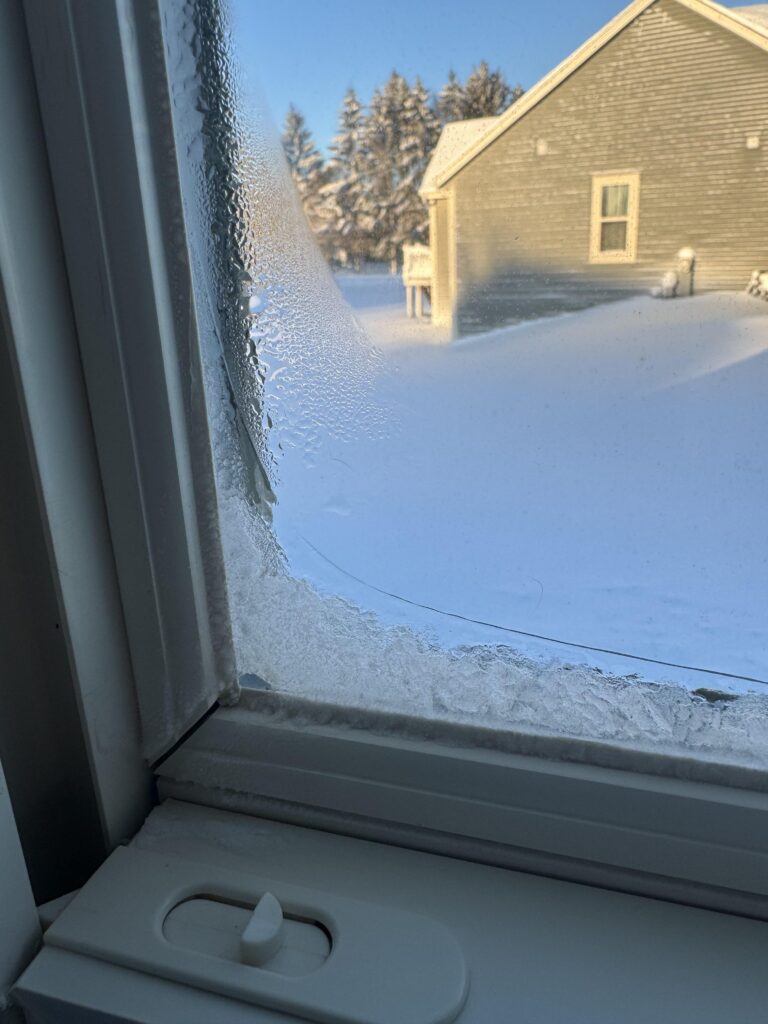
Why the frost pattern matters
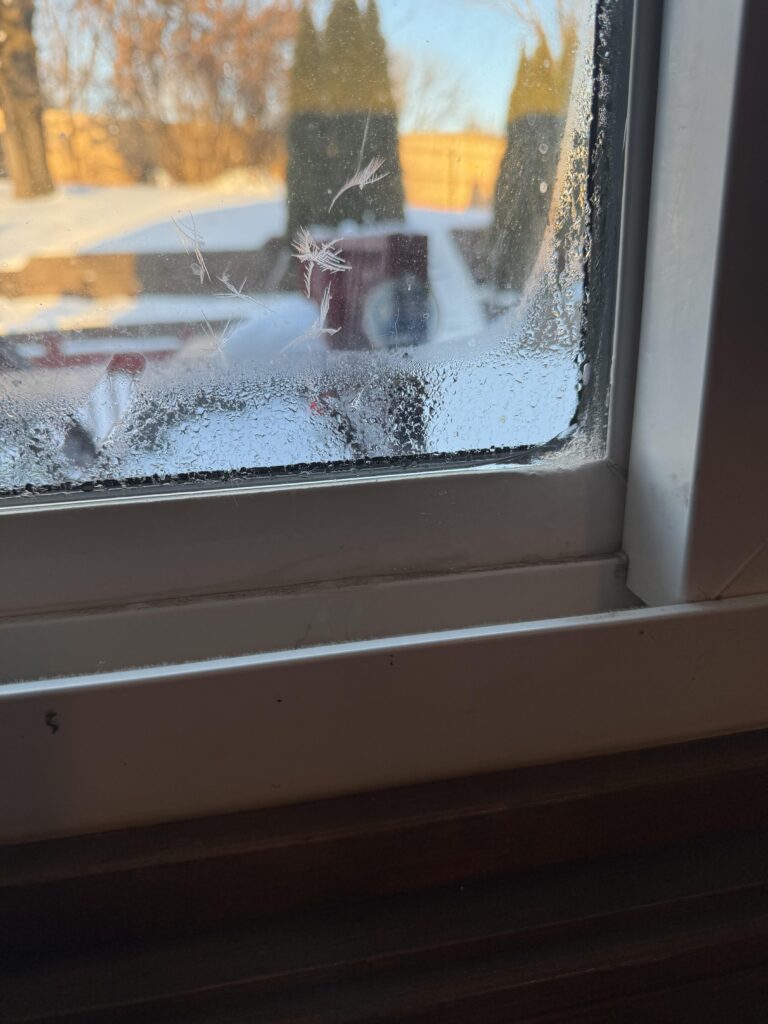
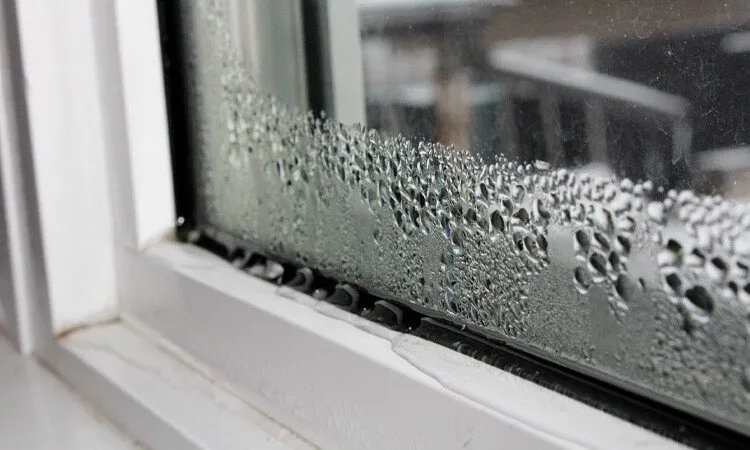
The fastest useful test is a written baseline. The visible crystals are the final step in a moisture process. Warm indoor air reaches colder glass or frame material, loses its capacity to hold vapour, and deposits water. The precise location – centre glass, edge, frame, sash joint, or sealed cavity – is therefore evidence, not decoration.
A winter humidity target needs context. Health Canada’s general household guidance is 30 to 50 percent relative humidity, while its cold-weather advice recognizes that condensation may require a lower setting. Compare the reading, outdoor temperature,ventilation, and window performance instead of treating one number as universal.
Evidence to collect:
- Forecast temperature falling below the previous frost event.
- Humidifier still set for mild weather.
- Closed drapes over a cold window.
- Condensation beginning at the lower edge.
Within the diagnostic path for How to Prevent Frost on Inside of House Windows During a Cold Snap, use location and timing to distinguish preventing frost on indoor windows from between-pane moisture, uncontrolled air leakage, or a room-specific airflow problem.
Practical response:
- Check the forecast and note the coldest overnight period.
- Lower the humidifier setting in advance.
- Use kitchen and bath exhaust during moisture-producing activities.
- Keep supply registers and baseboards clear.
- Dry any condensation before it freezes.
Illustrative scenario
Illustrative scenario: a household normally sees no condensation at -5 C, but a forecast calls for -25 C. The furnace humidifier remains unchanged and blackout curtains stay closed. Adjusting humidity and opening the curtains before the coldest night is more effective than scraping ice the next morning.
What not to assume
A fixed 40 percent winter humidity target is not safe for every home or every temperature. Natural Resources Canada publishes examples showing that the maximum level before condensation depends heavily on outdoor temperature and window performance.
When professional help makes sense
Seek help if safe humidity reduction and clear airflow do not change the pattern, if frost is concentrated around a distorted sash, or if water has reached drywall, wood cavities, or electrical components. For a review centred on How to Prevent Frost on Inside of House Windows During a Cold Snap, bring photos and measurements plus the reference steps for ice inside double-glazed windows; the visit can then begin with evidence rather than a generic replacement assumption.
Frequently asked questions
How low should humidity go during extreme cold?
There is no universal number. Use a hygrometer, window performance, and the current outdoor temperature; lower humidity if persistent condensation or frosting appears.
Should I leave a window open all night?
Not as a default. Intentional mechanical ventilation is more predictable and avoids uncontrolled heat loss, security issues, and possible frozen components.
What should I do with meltwater?
Absorb it promptly, dry the sill and frame, and inspect finishes. Repeated wetting can damage wood, paint, drywall, and sealants.
Suggested internal links
Why Is There Ice Inside My Windows?
How to Remove Black Mold From Windows Safely
Authoritative sources
Natural Resources Canada – Condensation
Health Canada – Ventilation and the indoor environment
Health Canada – Guide to addressing moisture and mould indoors